 National Institute of

Archived: Year in Review: Our Top Three Posts of 2020
December 30, 2020
Continue Reading
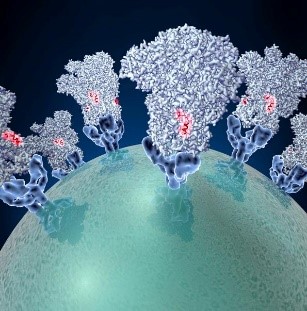 Spike proteins on the surface of a coronavirus. Credit: David Veesler, University of Washington.
Archived: Pass the Salt: Sodium’s Role in Nerve Signaling and Stress on Blood Vessels
November 25, 2020
Continue Reading
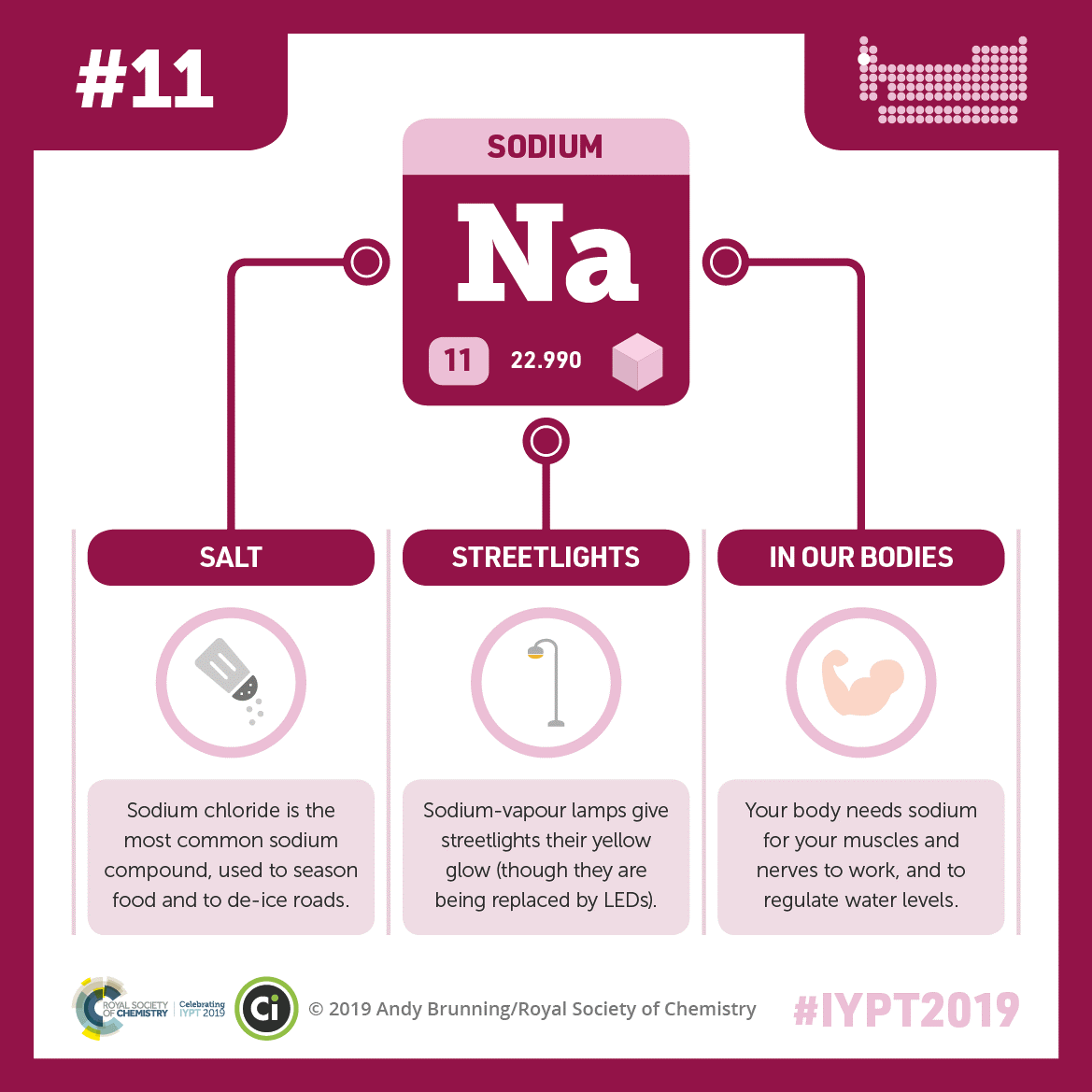 The best-known sodium compound is table salt (sodium chloride). Sodium also gives traditional streetlights their yellow glow and is essential for muscle and nerve function. Credit: Compound Interest.
Archived: Decades of Dedication: Angela Wandinger-Ness Recognized for Outstanding Mentoring
September 30, 2020
Continue Reading
 Dr. Wandinger-Ness (left) with former undergraduate trainee Amber Rauch (center) and current Ph.D. trainee Melanie Rivera. Credit: Angela Wandinger-Ness, Ph.D.
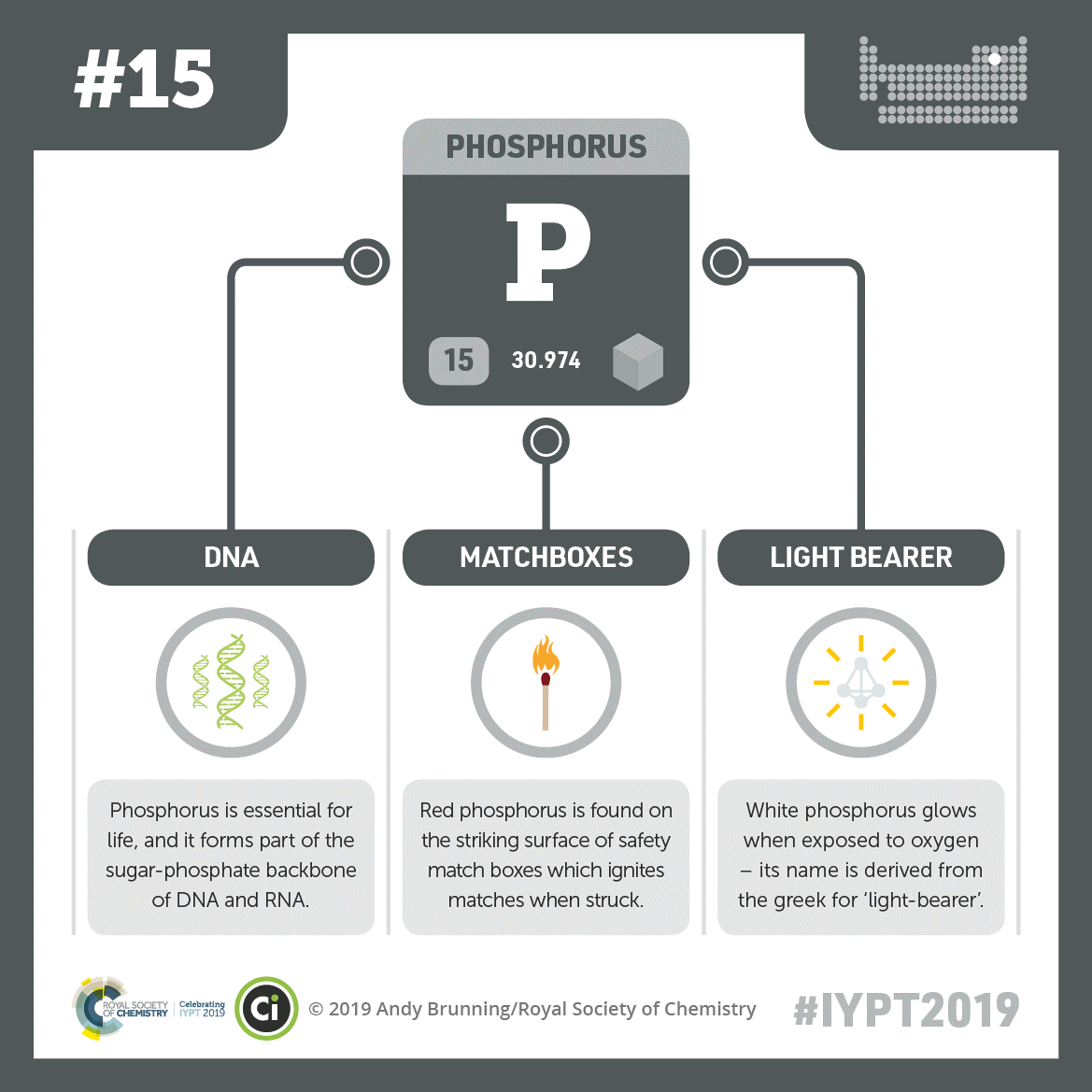 Phosphorus plays a vital role in life as part of DNA’s backbone. Red phosphorus helps ignite matches, and white phosphorus glows in the presence of oxygen. Credit: Compound Interest.
 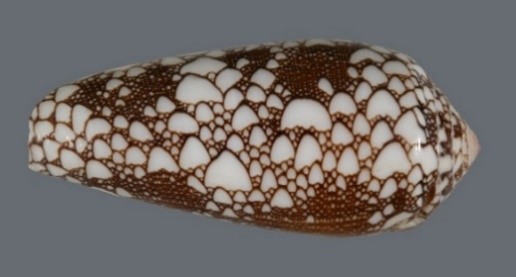 A cone snail shell. Credit: Kerry Matz, University of Utah.
Archived: Scientist Interview: Studying the Biochemistry of Insects with Michael Kanost
June 3, 2020
Continue Reading
Archived: Helium: An Abundant History and a Shortage Threatening Scientific Tools
May 27, 2020
Continue Reading
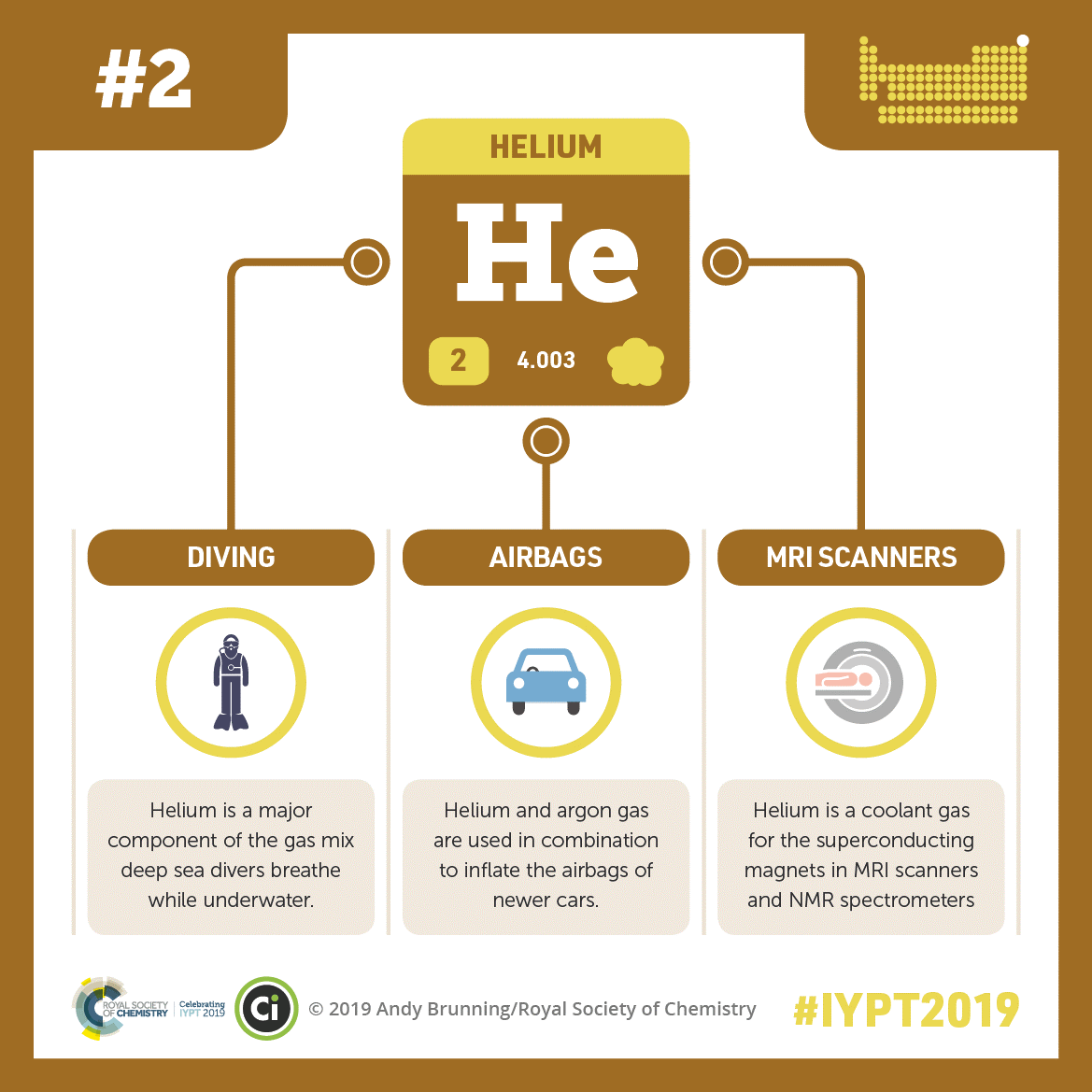 Helium’s many uses include helping deep sea divers breathe underwater, airbags in cars to inflate, and magnets in MRI scanners to work properly. Credit: Compound Interest.
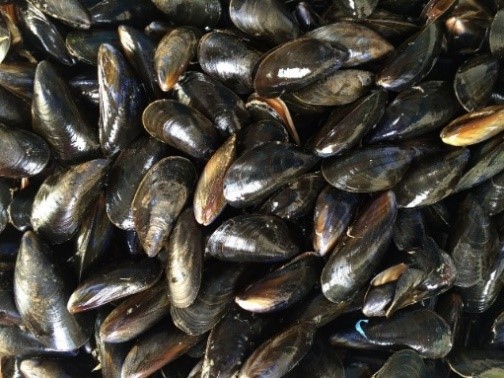 Mimicking mussels' natural "glue" could have multiple benefits.
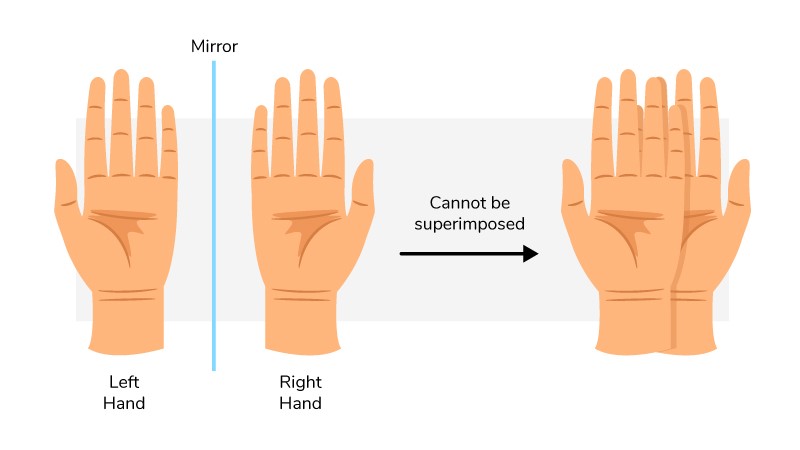 Our hands are chiral: They’re mirror images but aren’t identical.